Normalizing Rejection for College Students
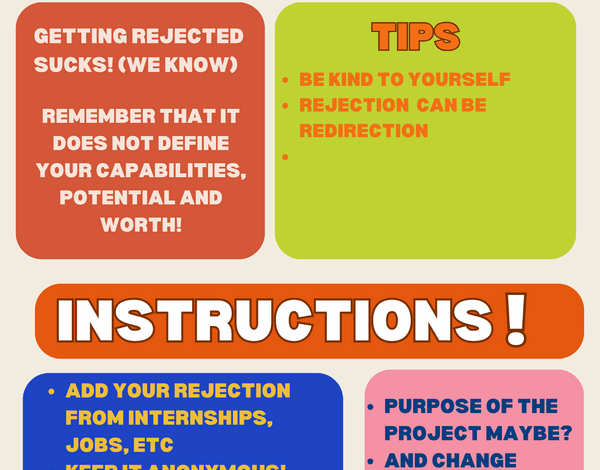
A “wall of rejection” is often a metaphorical barrier to success, but at the University of California, Santa Cruz, students were encouraged to literally share their failures on the wall. A “Got Rejected?” board in the two campus libraries last spring allowed students to anonymously tell stories of when they were rejected from opportunities, creating connection with their peers over similar experiences.
Rejection walls are a somewhat frequent occurrence in high schools during college admissions season, inviting students to share their college rejection letters. One high school in Los Angeles throws a “rejection party,” encouraging students to shred letters and awarding a prize for the most rejections. A professor at the University of California, Irvine, has a graduate student reject pile and celebrates anyone who reaches 100 journal, conference, grant, fellowship or job rejections.
The idea is to make students feel less alone and recognize that rejection is part of the process, as well as empower them to feel confident even if they don’t get the results they want.
Facing rejection or failure can be an isolating experience, said Emily Giovanelli, a mental health educator at UC Santa Cruz. “Many students believe that they are the only person they know who did not get into graduate school or land a summer internship.”
But rejection can hurt a student’s mental health and confidence if they choose to isolate themselves from peers.
“The main problem is that students are not talking about their rejections due to the potential embarrassment of someone saying, ‘Oh, that’s never happened to me,’” Giovanelli explained.
To address this isolation, Giovanelli and her colleagues at the Student Health Outreach and Promotion office and the UC Santa Cruz libraries created stations where students can share their latest failures.
Survey Says
Being in college is immensely stressful for many students. In a 2025 Student Voice survey, one in five students said they had chronic personal stress and 37 percent said they experienced acute academic stress. Thirty-one percent of respondents indicated their sense of academic fit—feeling like they belong among their peers in the classroom—was poor (9 percent) or below average (22 percent).
Staff displayed a whiteboard, sticky notes and pens in the two on-campus libraries. At the top of the whiteboard was the phrase “Got Rejected? Share,” along with the Spanish translation, “Fuiste Rechazado? Comparte!”
The board featured printed-out rejection emails (with personal details like names and email addresses blocked out) from graduate schools, employment managers and summer internships. Students could add their own rejection on a sticky note and display it on the wall. Staff also included a message reminding students to be kind to themselves and remember that rejection doesn’t reflect their capabilities, potential or worth.

The exercise was designed to normalize experiences of failure and boost students’ feelings of belonging.
Emily Giovanelli/University of California, Santa Cruz
“This project was meant to break that illusion and remind people that rejection and failure are part of everyone’s journey,” Giovanelli said, allowing learners to share in an anonymous setting and still resonate with their peers.
The libraries feature some sort of engagement boards approximately once a month; this display, hosted during Mental Health Awareness Month in May, had one of the highest interaction rates, featuring 240 responses at the two libraries.
Giovanelli sees future opportunities to expand the rejection board to specific areas on campus, because the project was cost-effective, easy to set up and generated large amounts of engagement.