Online Game Leaderboards & Zero Sum Thinking
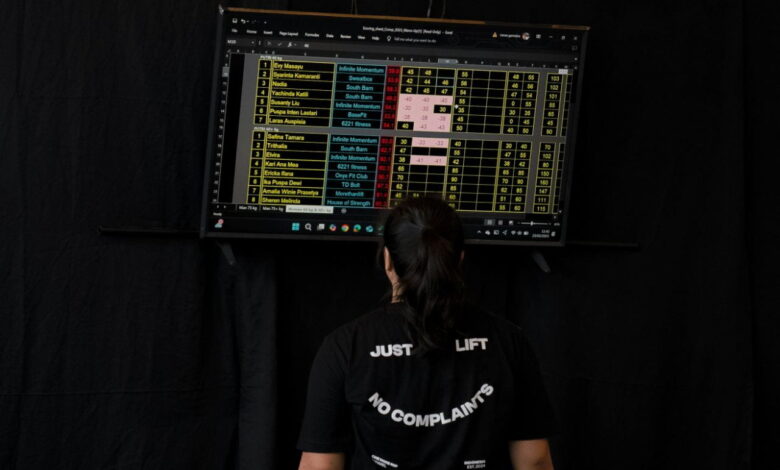
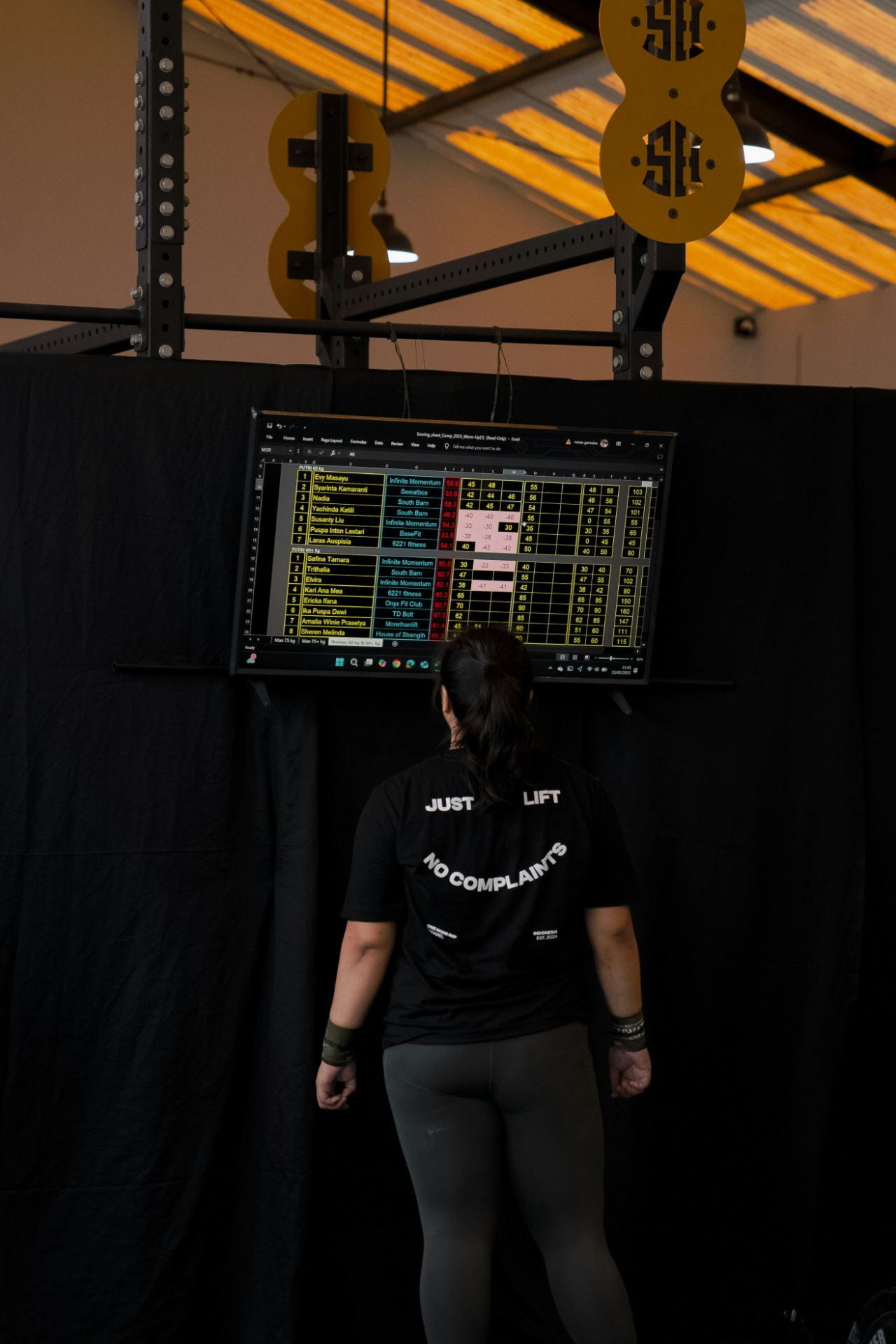
Last September, I published a post about a study finding harmful student effects when playing online games showing “leaderboards” – the public ranking of where students stood (see This Research On “Leaderboards” Shows Why Blooket Is Now My Favorite Online Learning Game).
I think that’s a good point, and is why I generally either had students play in groups or used tools like Blooket that allow players to “steal” points from others. Then, the public ranking has little to do with the number of questions answered correctly.
Educator Peps Mccrea wrote a post about the same study.
In it, he makes an interesting point that I hadn’t thought of – that leaderboards promote the idea of “zero-sum” games (I’ve written about this overall topic at The Dangers Of “Zero Sum Thinking” In The World, Including In Schools).
He suggests these three alternatives:
Track Personal Bests: Just as runners track their best times, have students track streaks of focused work, words written, or problems solved correctly.
Highlight Then vs Now: Have students physically place a piece of work from three months ago next to a current piece to visualise their growth.
Gap-Based Feedback: Focus on the distance travelled, not the position in the pack. Point out concrete improvements since the last piece of work.
These tend to promote the idea of “temporal comparisons,” which I write about in my book, The Student Motivation Handbook. Here’s a tweet I sent out about it during a bookchat soon have it was published:
A sense of competence can b supported through encouraging growth mindset https://t.co/5HHzUzJWhk ;by emphasizing “temporal comparisons,which r when students compare themselves 2 their past selves instead of to others & by using jigsaws https://t.co/ZQa2QtF4CS #motivationhandbook
— Larry Ferlazzo (@Larryferlazzo) April 1, 2023
All of these are good points to keep in mind.