A Look Inside Principles and Labs for Fitness and Wellness
In a world where health information is everywhere but true lifestyle change can feel elusive, “Principles and Labs for Fitness and Wellness,” 17th Edition stands out. It acts as a guide that’s both evidence-based and deeply personal. This latest edition doesn’t just teach fitness concepts. It invites students to live them, just as my students and I do.
Why this edition matters to me, Kelly Lane
At its heart, “Principles and Labs for Fitness and Wellness,” 17e is more than a textbook. It’s a companion that promotes real change. For instructors, it’s a consistent, research-backed resource that keeps classes dynamic and relevant. For students, the text offers a roadmap to healthier choices, greater confidence, and a better quality of life.
For me personally, this textbook represents decades of teaching, learning, and living wellness alongside my students. Each edition reflects not just the latest research, but also the real stories of trial, error, and progress that make health meaningful.
Feature highlight: A Fitness and Wellness Journey
I’ve learned through my own wellness journey that change is a cycle, not a straight line. Some of my most important lessons came from failed attempts. There were times where I had to revisit goals, reset expectations, and dig deeper into why change is hard. That perspective shaped the new Fitness and Wellness Journey feature. Grounded in the transtheoretical model of change, this framework helps students move from awareness to action through three key checkpoints:
- Location Check has students assess current lifestyle ABCs to target smart changes.
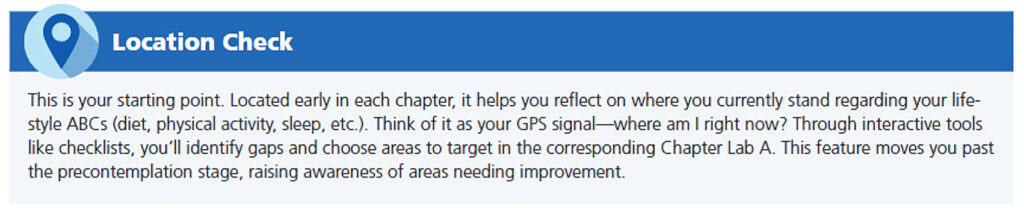
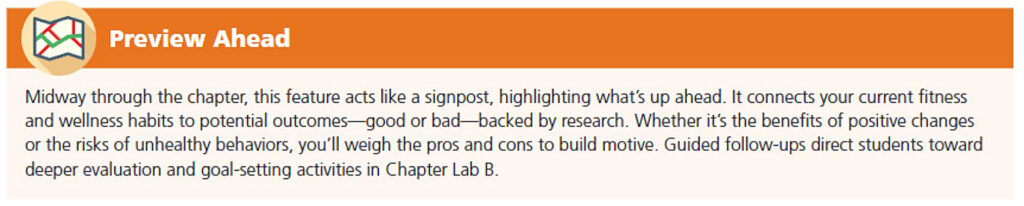
- Preview Ahead allows students to reflect on how health and fitness can shape the future. It provides them with an imperative to change behaviors.
- Lane Change lets them select targeted strategies to change.

This feature offers a roadmap for real-world transformation.
Learning the science, living the practice
Teaching interdisciplinary topics like exercise and nutrition has shown me that when students understand the science first, they engage more deeply in the practice. I’ve also found that interacting with the content through discussion and critical evaluation, like examining health products or wellness trends, helps students connect scientific principles to their own health and lifestyle choices. That philosophy runs through the new features in the text.
Additional new features in the 17th edition:
- Under the Hood breaks down the science of how the body works into clear, engaging insights, pairing solid explanations with fun trivia that sticks.
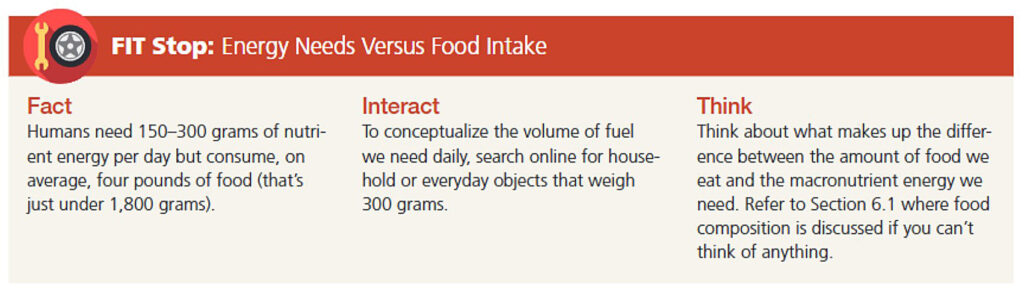
- FIT Stops encourage critical thinking and discussion about memorable fitness and wellness facts.
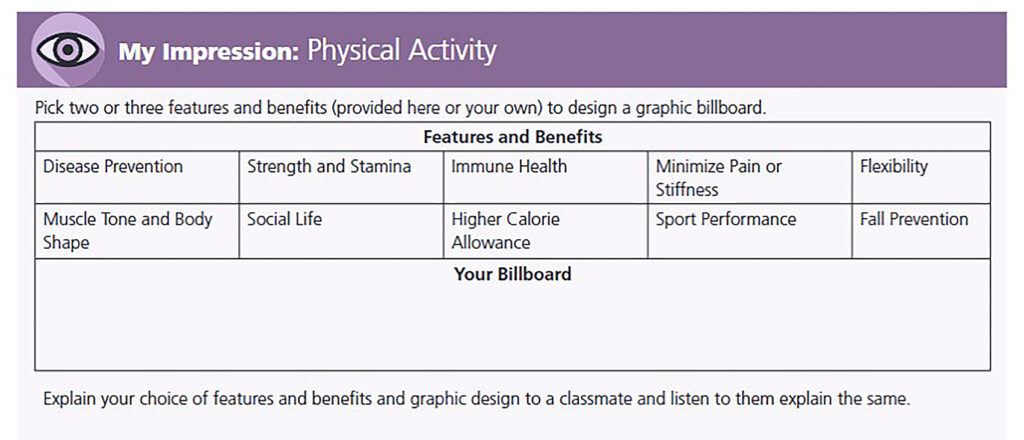
- My Impression invites students to evaluate roadside “billboard” health claims, by weighing evidence, and reflecting on personal values — keeping them stimulated, informed, and up to date.
A framework for continued learning and change
I’ve noticed over 20 years of teaching that students do best when they have a clear map in front of them. Just like on a road trip, knowing your current location and the next stop takes the stress out of the ride. That’s why every chapter in this edition follows the same structure, leading students step by step through the awareness, motivation, preparation, and actionable stages of change.
Along the way, they’ll:
- Explore factors that shape fitness and wellness
- Examine the outcomes of healthy and unhealthy behaviors
- Learn how fitness and wellness are measured
- Evaluate evidence-based guidelines
These features appear in the same place within the text each time — like reliable markers on the highway, creating familiarity and flow. Even the labs follow one format: assess, evaluate, plan, and practice. this allows students to truly take the wheel in controlling their own destination and progress.
This framework isn’t just about completing a course. It’s about cultivating habits of reflection and navigation that last a lifetime. As one former student wrote to me: “This course kept me excited about my health and confident in my ability to change for the better long after the final exam.”
Accessible labs for real progress
The expanded lab program helps students turn knowledge into measurable progress. They assess key lifestyle factors. These include physical activity patterns, exercise capacity, diet, social support, self-efficacy, addictive behaviors, sexual health, and more. There’s truly something eye-opening for everyone. Unlike most texts that provide only a starting and ending lab, this edition has three built-in checkpoints along the way. Students gather triplicate data for a comprehensive fitness screen, giving them opportunities to monitor progress and reset goals that keep the momentum forward.
When I was working on my own health changes, I discovered that simple tools, like journals, apps, or even notetaking, were powerful ways to measure positive change. That same spirit drives the expanded lab program. It offers flexible, real-world activities that meet students where they are, whether in class with instruments or online with MindTap.
A fresh, modern design
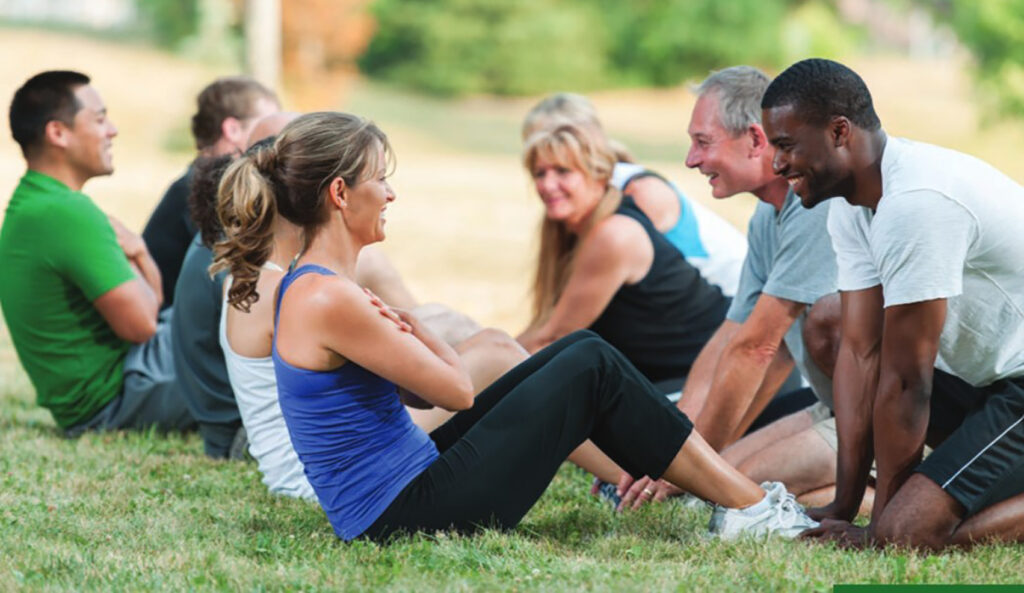
As someone who has always felt fit but didn’t “look like” the models in traditional fitness photos, I’ve long wished students could see a wider range of healthy bodies represented. This edition delivers exactly that. The imagery reflects people of many backgrounds, ages, lifestyle, abilities and body types. It makes health and wellness feel relatable to everyone. Combined with inclusive guidelines and adaptable fitness tests, the design celebrates the many different paths to well-being. Students can see themselves, and their futures, reflected in the text’s pages.
New content combines with the latest research
This edition introduces new chapters, “Physical Activity” and “Movement Skills and Performance.” It also expands nutrition coverage, and updates guidance in line with the 2021 ACSM Guidelines and the Dietary Guidelines for Americans. Students get the latest insights on everything from biomechanics to brain health to short workouts and stress management. Ultimately, this edition prepares them for today’s fitness and wellness challenges.
My hope is that this edition continues to empower students to view wellness, not as a destination, but as a lifelong journey they can own, step by step, lane by lane.
Written by Kelly Lane, Coordinator of BS in Kinesiology (Pre-Physical Therapy emphasis) at San Diego State University.