Understanding The Skills Gap – eLearning Industry
What Is A Skills Gap?
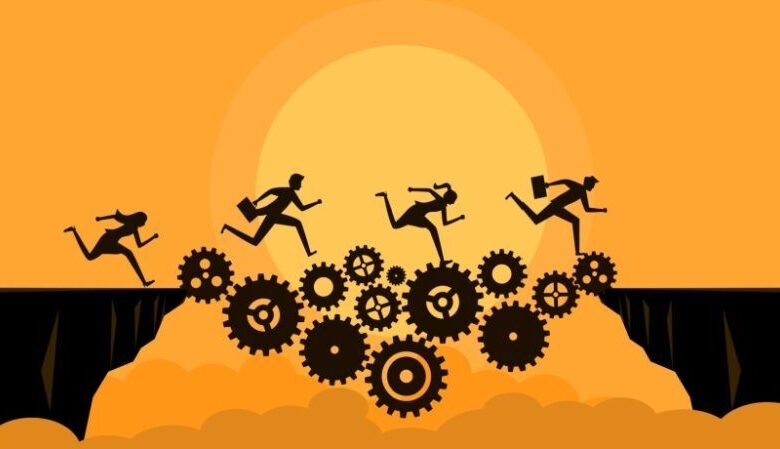
As digital transformation accelerates, job roles are evolving more quickly than we can imagine. This rapid change has led to a significant issue: the skills gap. This occurs when the current workforce is unable to meet the organization’s goals due to a lack of the required skills. It essentially refers to the difference between an employee’s existing skills and the skills that an organization needs to achieve its objectives. This gap can encompass both hard skills, such as technical expertise, and soft skills, such as problem-solving, critical thinking, and adaptability.
For example, a specific group of employees may lack the necessary technical skills and abilities essential for their roles. Skills gaps can have a significantly negative impact on organizations, and what is particularly concerning is that these gaps often go unnoticed. Therefore, it is crucial for organizations to identify these gaps and develop effective solutions to address them.
What Is A Skills Gap Analysis?
To address the skills gap, it is essential to conduct a skills gap analysis. This helps employers identify the skills that their employees lack and find ways to fill these gaps, and consists of five distinct steps:
- Planning
Organizations should start by creating a structured plan for conducting the analysis. - Identifying The Skills
The next step is to determine the critical skills necessary for the organization’s growth. - Assessing Employee Skills
Employers then need to evaluate the actual skills and abilities of their employees. - Identifying The Gap
By comparing the data on existing skills with the desired skills, employers can identify any gaps that exist. - Taking Action
Once the gaps have been identified, it is time to implement necessary measures to close them.
Why Is A Skills Gap Analysis Essential?
Your employees are your most valuable assets, so identifying the critical skills they may lack is essential. Conducting a skills gap analysis will enable you to take targeted actions that help you achieve your organizational goals. Here’s how it can benefit you.
Provides Deep Insight Into Staff’s Expertise
The analysis provides valuable insights into employees’ expertise. This process allows organizations to identify skill gaps and understand the strengths and weaknesses of their current workforce. By doing so, they can determine the specific skills that need improvement.
Supports Learning And Development Efficiently
This analysis also helps organizations implement more innovative Learning and Development programs. Rather than spending money on generic programs, they can specifically focus on upskilling employees to help prevent operational bottlenecks.
Improves The Hiring And Recruiting Process
It also enhances the hiring and recruitment process by providing employers with a deeper understanding of the skill gaps that need to be filled within their organization.
Serves As A Foundation For Planning
If your organization is experiencing stagnant growth, it might be due to a skills gap. Conducting the analysis can provide a solid foundation for planning your company’s growth. This will enable you to recruit more effectively and develop improved L&D programs.
How To Conduct A Skills Gap Analysis
1. Identify Your Organization’s Needs
The first step is to identify the key skills that your organization requires. Recognizing these skills will serve two purposes: it will clarify which competencies your company values most and highlight the skills employees need to perform their jobs effectively. When assessing your organization’s needs, consider both its current situation and future goals. The skills you prioritize should remain relevant in the years to come.
2. Evaluate The Staff’s Current Skills
Now that you have identified the skills your organization needs, it’s time to evaluate the skills of your current staff. To assess their skills, you can:
- Conduct assessments or surveys.
- Gather feedback about their performance.
- Utilize skills management software to streamline the process.
It’s important to note that a lack of experience can contribute to the skills gap. Additionally, if you find that newer employees are missing essential skills, you should consider implementing on-the-job training to help close these gaps.
3. Determine Which Skills Employees Need
After assessing your employees’ current skills, the next step is to identify the actual gaps. This process will help you determine what skills your employees need in order for your business to achieve its goals. When considering the necessary skills, keep the following points in mind:
- The skills most valued by your company.
- What skills will be important in the future?
- The skills employees require to perform their jobs more efficiently.
- Any skills necessary for understanding new technological advancements.
By closely examining industry trends, future objectives, and your company’s goals, you will gather the information needed to pinpoint the skills your employees lack and require.
4. Create Learning And Development Plans
At this stage, you have gathered information about your employees’ skills and the skills they need to develop. Now, you can move on to the planning phase. There are two primary ways to address the skills gap: you can either hire new employees or train your existing staff. Keep in mind that the approach you choose will depend on the specific skills required and the current circumstances. There’s no one-size-fits-all solution to this issue.
Tips For Conducting A Skills Gap Analysis
Understand Your Organization’s Objectives
To conduct the analysis, it’s best to strategically define your organization’s objectives. This is the foundation on which you will base your analysis.
Conducting An Assessment Of The Current Workforce
Use a variety of assessments to truly understand your workforce’s strengths. Utilize surveys, questionnaires, analyses, and more to gather valuable insights and drive success.
Implement Targeted Training
Implement a highly targeted training program for your current workforce, which includes workshops, certification courses, and experiential learning modules.
Advantages Of A Skills Gap Analysis
Gives A Competitive Advantage
A skills gap analysis enhances business efficiency and employee productivity. This offers them a competitive edge, allowing them to remain level with their competitors.
Enhances L&D Programs
Understanding the skills gap within the organization enables stakeholders to implement more effective L&D programs. This ensures that they address the specific needs of employees and provide the appropriate training programs.
Streamlines Hiring
Knowing an organization’s skills gap can also streamline the hiring process. It allows managers to hire candidates who can fill these skills gaps, ensuring that they are not wasting their time with unqualified individuals.
Challenges In Addressing The Skills Gap
Let’s look at some of the challenges that organizations face when addressing the skills gap:
Cost
Conducting a skills gap assessment can be costly and may have a negative impact on the company’s budget.
Impacts Employee Morale And Productivity
A skills gap analysis can also negatively impact the employees’ morale. Observing the employees’ inefficiency and skills gaps could impact their motivation and, hence, their productivity.
Time-Consuming
A skills gap analysis can be time-consuming, depending on the organization’s size. This could also impact the workflow and disrupt operations.
The Role Of Employers In Addressing The Skills Gap
In an era where industry trends shift rapidly, employers play a crucial role in addressing the skills gap among their employees and providing a clear pathway for employees to develop the skills necessary for success. Essentially, employers must guide their employees in navigating this skills gap.
When employers take on leadership roles, increased productivity and efficiency often follow. This is particularly important when organizations face tight deadlines, struggle with maintaining efficient workflows, or navigate complex regulations. By training employees in new tools and processes, tasks can be completed more effectively. Moreover, this approach not only enhances productivity but also leads to higher employee retention and job satisfaction.
Furthermore, when employers proactively address the skills gap, employees feel valued, which in turn boosts morale. Consequently, it is essential to forecast potential skills gaps, analyze the current situation, and invest in targeted training programs that prepare the organization for both present and future challenges.
![Q&A: Transformative Role Of Artificial Intelligence [Dr. RK Prasad]](https://education41.com/wp-content/uploads/2025/11/QA-Transformative-Role-Of-Artificial-Intelligence-Dr.-RK-Prasad-800x449-390x220.png "Q&A: Transformative Role Of Artificial Intelligence [Dr. RK Prasad]")